
RoNZ Furniture Hospital Phone: 027 487 1152 // 06 374 8132
Before & After Photos of Furniture Restorations
We restore the beauty and usefulness of wooden furniture and family heirlooms using traditional joinery techniques and careful attention to detail. Dining tables and chairs take the hardest wear in most homes, and eventually need expert repair. Below are examples of restoration and repair work carried out at RoNZ Furniture Hospital in Dannevirke. While the photos speak for themselves, you can also read our customer testimonials.
American Walnut Drop-leaf Dining Table
The table was shipped across the ocean in a sealed shipping container, and ended up being stored for a few years in the high humidity and condensation. The original animal hide glue had let go pretty much everywhere, there was splitting and warping, and the damage to the finish was significant. In the end, however, the table was able to be restored to full functionality.
This is a good reminder that solid wood furniture can almost always be restored.


Water Damaged Oak Extension Dining Table
This solid oak extension table had suffered significant water damage. The top was heavily marked and discoloured, and the finish had broken down in many places. Because the table was made entirely from solid oak rather than having plywood inserts, the repairs were straightforward. The damaged surface was carefully cleaned, repaired and refinished, bringing the table back to a clean, even colour and a durable finish. It is now strong, attractive and ready for many more years of use.


Badly Water-Damaged Australian Dining Table & Chairs
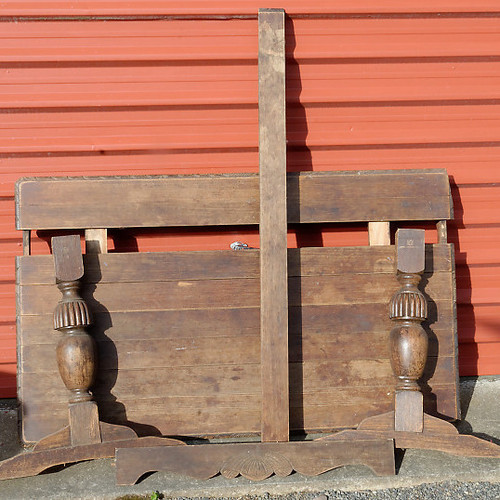
This Australian dining table dates from the early to mid 1800s. It is made from Victorian Ash which characteristically is very uniform and with straight grain. Over the years this table was stored in sub-optimal conditions. It was wet for a prolonged time which discoloured the wood and dissolved the water-soluble animal hide glue. As a result, the table literally came apart at nearly all its joints, including all the tabletop boards. Several braces were missing, so new and extra braces were made and fitted to give the table added strength. The table's finish was stripped, and after sanding and filling some holes and splits with epoxy, the table was given 3 hand-rubbed coats of Tung oil, and then waxed and buffed to a soft lustre.
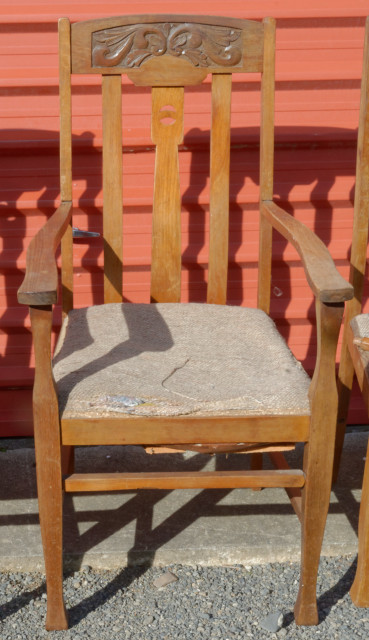
Chair prior to any restorative work.
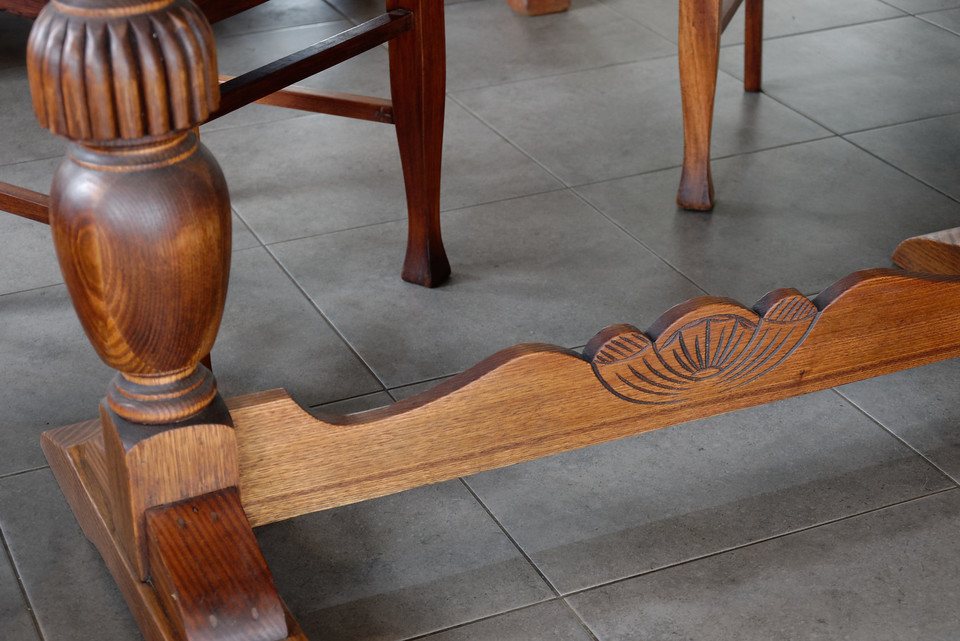
Table base after repairs and refinishing.
Australian Table and 4 Chairs
Fully Restored
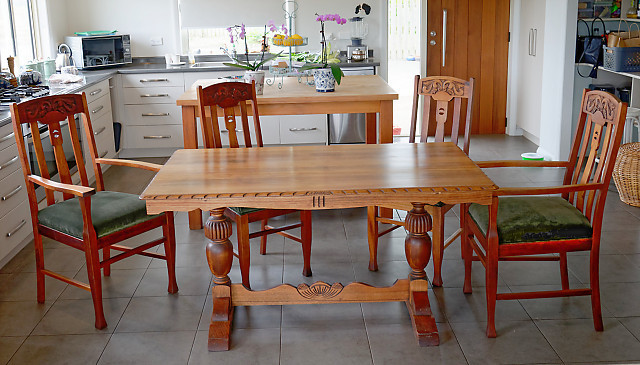
After many hours of careful attention to detail and restoring full functionality, the table and chairs are ready to rejoin the family in the dining room. The chairs were re-upholstered by our local upholsterer.
Restoration of a Roundabout
(Merry-Go-Round) Rocking Horse
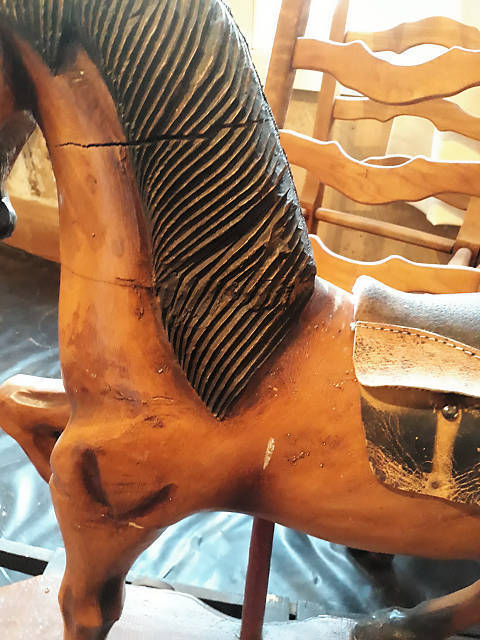
Before
What a wonderful childhood memory the grandchildren will develop after riding the dusty trails with this beauty. Considering the age of this wooden horse (the early 1900s), it was in relatively good condition. Being built of thick solid wood, the timber expanded and contracted with the seasonal gain and loss of moisture, resulting in some superficial non-structural cracking. The leather saddle had dried out, resulting in some flaking and cracking, the left stirrup was missing. A turned dowel was missing, as was the tail. Both rockers had seen better days and were perishing. One rocker had been badly chewed by borer and a dog, and both were unsafe for small ones.
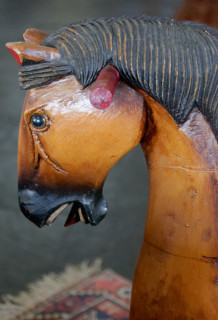
After
The cracks were filled and a minimal amount of touching-up using standard colours of their day (burnt umber etc). The saddle repairs were made by a local upholsterer, and a new stirrup was fashioned by one of Dannevirke's skilled metalworkers. New rockers were made from Vitex (plantation grown in the Solomon Islands) and stained black. A newly turned dowel was made and coloured antique red. A new tail was made from cord and fitted.
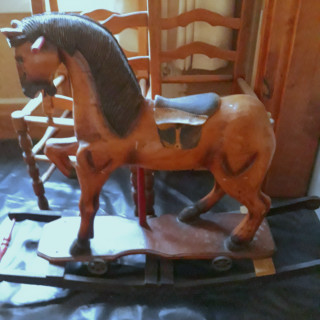
It is my opinion that this wooden horse was originally mounted on a Round-about (British) Merry Go-round (American), as there is a substantial post under the horse and the rockers and platform are clearly later additions.
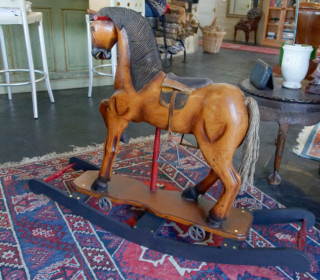
The horse is now safe for children to ride, and it now looks like it has been continuously well-cared for over its long life.
Jobs like this one make for a very interesting time in the workshop making repairs and searching for data on the internet.
Rimu Side-table Restoration
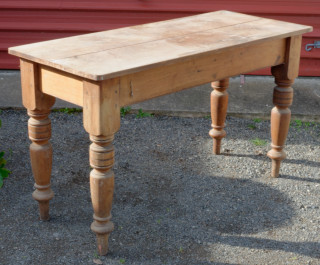
Before
This rimu side table was bought from a woman who thought it was kauri — a common mistake, as rimu often bleaches in the sun and ends up looking similar. It had been stored in an outbuilding for several years and was no longer being used.
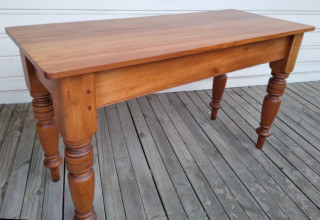
After
The table was fully disassembled. The top was re-jointed and re-glued, and the weak dowel joints between the legs and rails were replaced with stronger floating tenons. New hardwood glue blocks were also fitted.
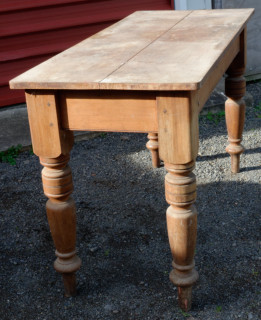
The table had served several generations of rural families in the Tararua District. Over the years it had received some rough-and-ready repairs, but by the time it arrived it was unusable.
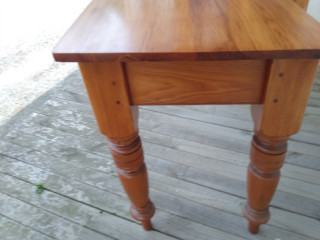
The old finish was stripped and oxalic acid was used to remove staining and even out the colour. The table was then carefully sanded ready for refinishing.
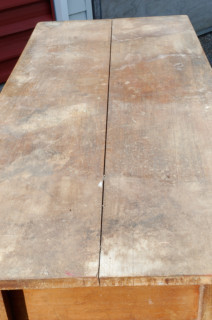
Prolonged damp had caused the original water-soluble hide glue to fail. The top boards had come loose, several dowels were broken, and the old glue blocks had been replaced with split totara that was simply nailed in place.
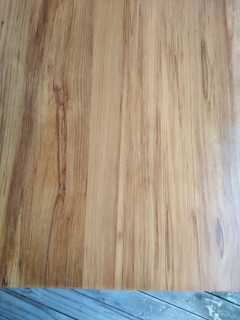
Three coats of hand-rubbed tung oil were applied, followed by two coats of wax buffed by hand. Fully restored and strengthened, the table was later sold at the 2021 Martinborough Fair.
Restoring a Water-damaged German
Wall Hanging Oak Cupboard
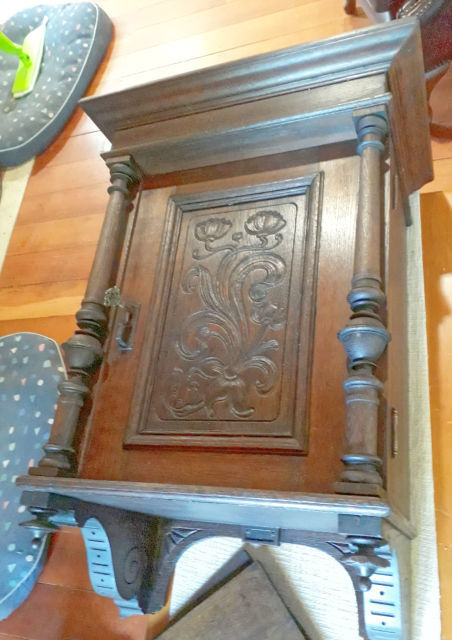
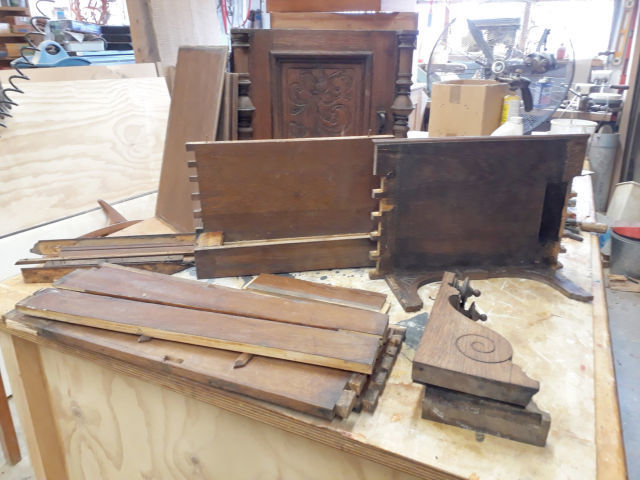
This hand-carved German hanging wall cupboard is made from European oak. It was damaged when the shipping container leaked while being transported from Germany to New Zealand. The cupboard remained locked in the humid container for over a year. By the time it was removed, the water-soluble hide glue had been washed from the joints and the shellac finish was ruined.
All the joints were cleaned of old glue and dirt, then re-glued using waterproof glue. The remaining finish was stripped, the cupboard was sanded, stained to its original colour, and finished with three coats of tung oil and two coats of wax.
The cupboard is a family heirloom — one of the very few items that remain from the grandfather’s estate. It was fully disassembled into its component parts to ensure the restoration would be complete and lasting.
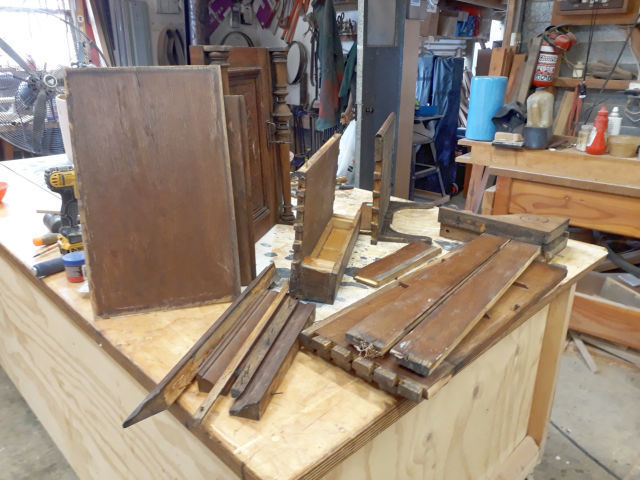
The Wall-hanging cupboard was disassembled into component parts to ensure the restoration will be complete and lasting.
Refinish Mahogany Veneer Sideboard
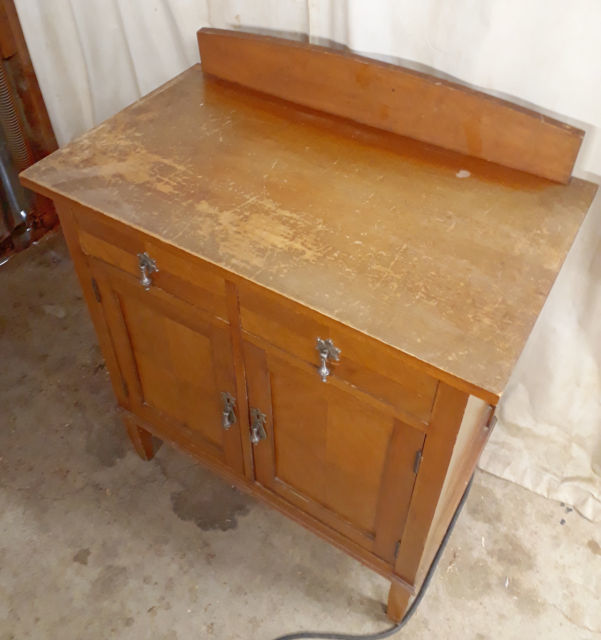
Before:
This well-made mahogany veneer sideboard was damaged by water and exposure to the sun.
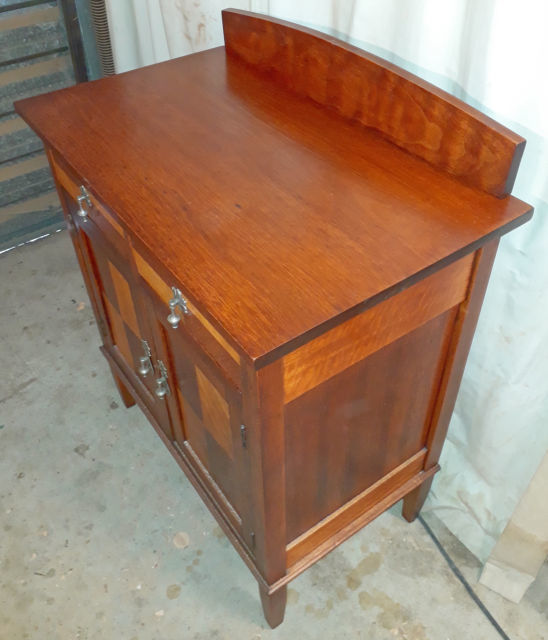
After:
A few minor repairs were effected, then the entire exterior was stripped of the existing finish, and then sanded.
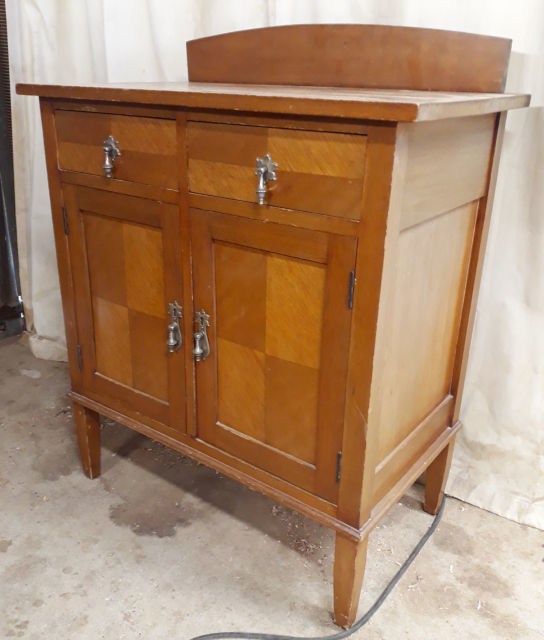
The finish was shellac, which while lovely to look at is not very durable, hence the clouding of the finish.
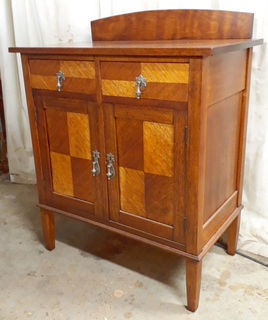
Three coats of Tung Oil was then applied and two coats of hand-rubbed wax. The lustre now matches (or exceeds) that of its original shellac finish
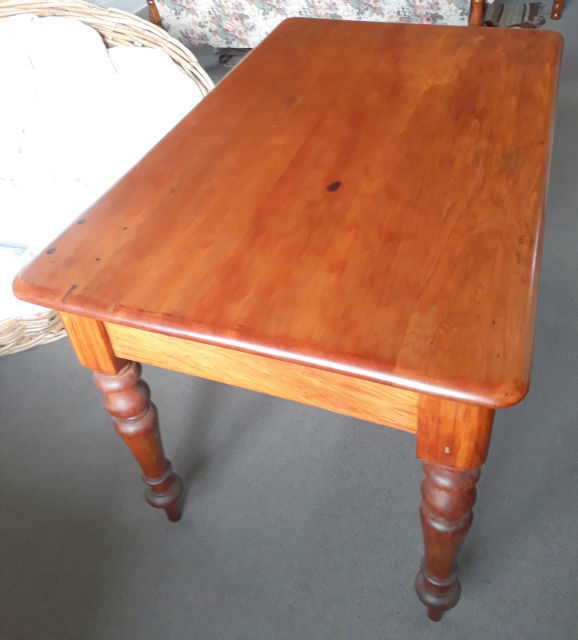
Restore Badly Weathered Solid Rimu Dining Table
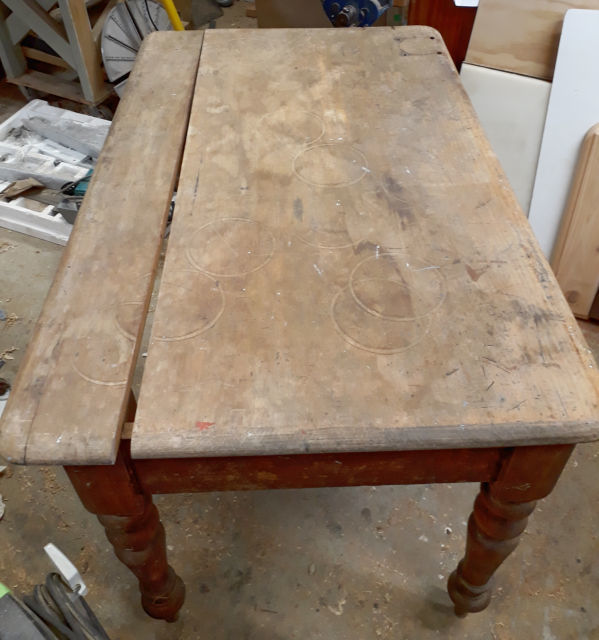
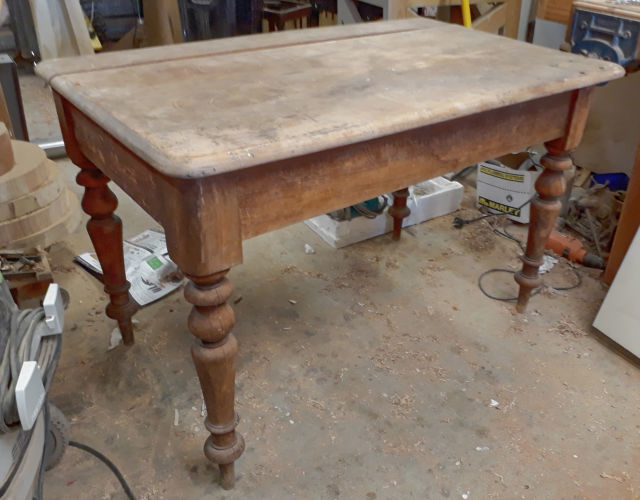
This table had a long and useful life, but at some stage was stored under a tree or in a leaking shed. Despite the weathering and a split top, the damage was able to be repaired and the surface made seamless again. The old finish was stripped and the table was given three coats of hand-rubbed Tung Oil followed by two coats of hand-buffed wax.
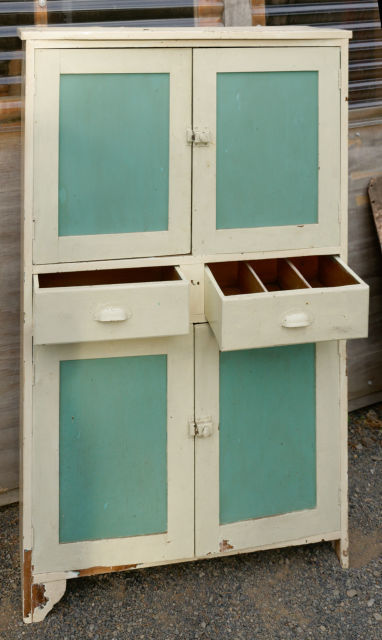
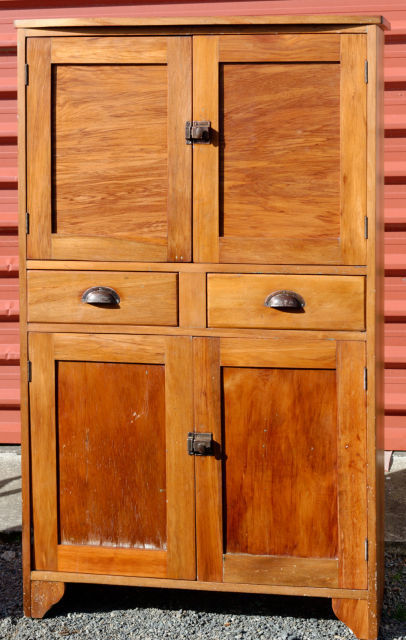
Restoration of Rimu Kitchen Cupboard
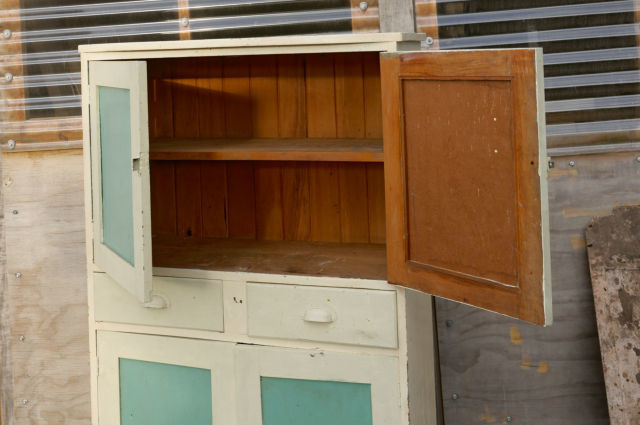
This kitchen cupboard originally belonged to the client’s grandmother. Over the years it had been painted, repainted, and painted again. As often happens, some paint had found its way into the crevices and borer holes — details that now form part of the piece’s character.
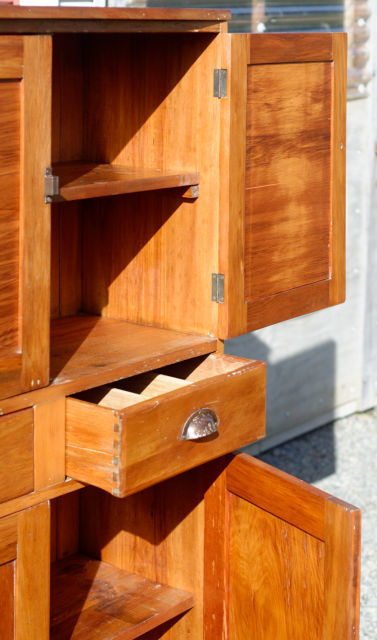
The cupboard was re-glued and strengthened. The hardboard panels in the upper door were replaced with rimu plywood recovered from church pews that had been shortened in Greytown. It was then stripped, sanded, and finished with two coats of hand-applied tung oil followed by two coats of hand-buffed wax. The metal hardware was cleaned and polished to a soft lustre.
This fine piece of colonial history now lives in the great-granddaughter’s rural home.