RoNZ Furniture Hospital Phone: 027 487 1152 // 06 374 8132
What fine furniture actually is
Fine furniture is a piece that still looks right, works properly and can be cared for after years of real use. Price, a fashionable timber or a well-known name do not decide that. The timber, the way the piece is drawn, and the way it is put together do.
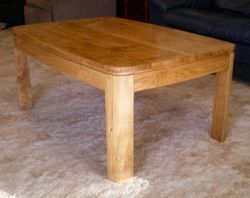
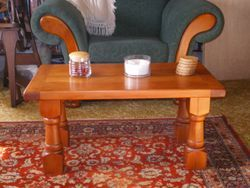
A table can be nothing more than a flat top on legs. A better table has boards chosen so the grain sits quietly across the top, joints that take the weight of people leaning and plates landing, and an edge that feels finished when a hand rests on it. Those decisions are made before a single coat of finish goes on.
Choosing and placing the wood
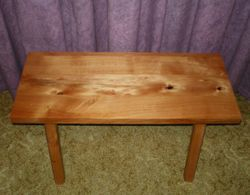
At RoNZ the stock is often recovered New Zealand native — rimu, matai, tōtara, kauri — along with swamp timber, farm-milled oak, macrocarpa and selected hardwoods from further afield. A striking board is not automatically the right board. Figured kauri can dominate a small piece; a quieter oak, well matched, can hold a whole room. The work is to decide which face goes where, how colour runs from rail to rail, and whether the timber will stay stable through wet winters and dry summers in the lower North Island.
How it is built
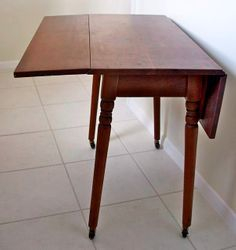
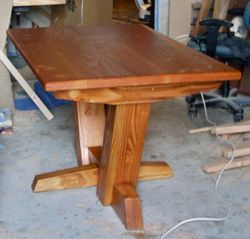
The joint should match the stress. A dining table is not built like a jewellery box. Mortise and tenon, dovetails, floating panels and properly sized frames are used because they let the wood move without the piece coming apart. The same care belongs on the back, the underside and inside a drawer. If those parts look rushed, the rest of the piece is only dressed up.
Finish, repair and age
Finish here is usually there to protect the timber and leave the grain readable — often tung oil and wax rather than a heavy film. A piece that can be taken apart, recut or refinished is a different proposition from one that is thrown away when a corner chips. Wood also changes. Colour deepens, surfaces take on the marks of meals and work, and that is part of the point.
The useful question is not what the piece cost on the day it left the workshop. It is whether someone will still want it in the house in fifty years.